
Weight Distribution Hitches
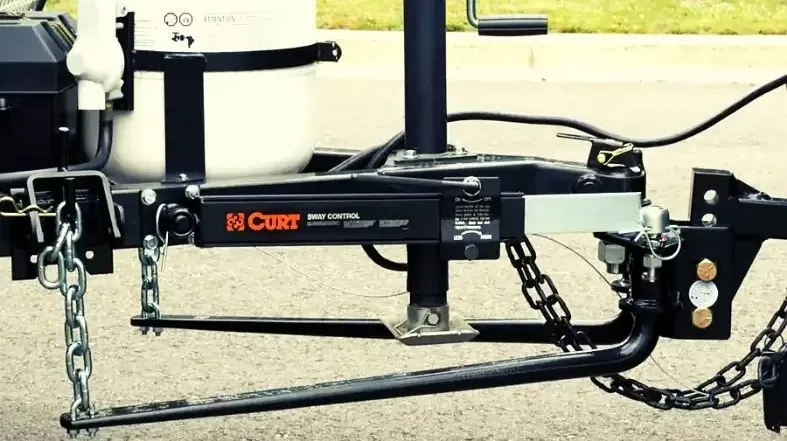
Weight distribution hitches (WDH) are a specialized trailer hitch designed to evenly spread the tongue weight of a trailer across both the tow vehicle and the trailer’s axles. This is especially important when towing heavy loads—like RVs or equipment trailers—that can otherwise cause the rear of the tow vehicle to sag and compromise handling.
🔧 How It Works
Instead of placing all the tongue weight directly on the hitch point, a WDH uses spring bars mounted to the trailer’s A-frame to redistribute the load. These bars apply leverage that lifts the rear of the tow vehicle and levels the entire setup. This helps:
- Maintain proper weight balance (ideally 10–15% of the total trailer weight on the tongue)
- Reduce trailer sway and bounce
- Improve steering, braking, and overall control
- Prevent “dive” or “squat” that can occur during acceleration or braking
💰 Cost & Value
Weight distribution hitches typically cost between $250 and $500, with premium models priced higher. While it’s an investment, a WDH significantly enhances towing safety, protects your vehicle’s suspension, and provides a smoother, more stable ride—especially on long hauls or uneven terrain.
Do I Really Need a Weight Distribution Hitch?
If you love road trips, camping, or outdoor adventures, chances are you’ve considered investing in a travel trailer—or maybe even upgrading to a larger one for your next journey. Whether you’re planning a cross-country trek, exploring national parks, or heading out for a weekend getaway, one thing is essential: towing safely. That’s where a weight distribution hitch (WD hitch) comes in.
A weight distribution hitch helps balance your trailer’s load, creating a more level tow and giving you greater control on the road. The result? Smoother handling, safer braking, and less stress on your vehicle.
In short, WD hitches can transform your towing experience—making every trip safer, more stable, and far more enjoyable.
Signs You May Need a Weight Distribution Hitch
Not sure if a WD hitch is right for you? Here are the most common indicators:
- Your trailer’s gross trailer weight (GTW) is more than half of your vehicle’s gross vehicle weight rating (GVWR)
- The rear of your truck sags when the trailer is connected
- You notice trailer sway while driving
- Your truck’s headlights tilt upward, reducing visibility
- Steering or braking feels difficult or less responsive
- You want to maximize the towing capacity of your hitch safely
If you’re experiencing one or more of these issues, a weight distribution hitch can help restore balance, improve control, and make towing much safer.
Benefits of Weight Distribution Hitches
So, do you really need a weight distribution hitch? The short answer—if you’re towing a heavier trailer, yes. Without one, the trailer’s tongue weight pushes down on the rear axle of your tow vehicle. This imbalance can create serious safety hazards, including:
- Front axle lift – reducing steering control and traction
- Decreased braking power – longer stopping distances when you need them most
- Less stability – greater risk of sway or trailer fishtailing
- Added strain on your vehicle – increased wear on suspension, tires, and other components
By evenly distributing the load, a weight distribution hitch helps keep your vehicle and trailer level. That means improved handling, stronger braking, and greater overall control—even in those split-second moments when you need to turn, brake, or react quickly.
The result? A smoother, safer ride and peace of mind every time you hit the road.
A Note on Sway Control
Weight distribution hitches are an excellent choice for towing mid- to heavy-duty loads like RVs and larger trailers. While they don’t match the weight capacity of 5th-wheel or gooseneck hitches, they do provide a key advantage—sway control.
Many WD hitches are designed with built-in mounting tabs for a sway control unit, while others integrate sway control directly into the hitch itself. This added feature helps minimize trailer sway from wind, uneven roads, or sudden lane changes—making your towing experience safer and more comfortable.
